CPVC Solvent vs PVC Solvent: Key Differences Explained
Why CPVC and PVC Need Different Solvents
PVC and CPVC pipes look similar but have different chemical compositions and temperature ratings. Using the wrong solvent can result in weak joints, leaks or complete joint failure. Always match the solvent to the pipe material.
PVC Solvent Applications
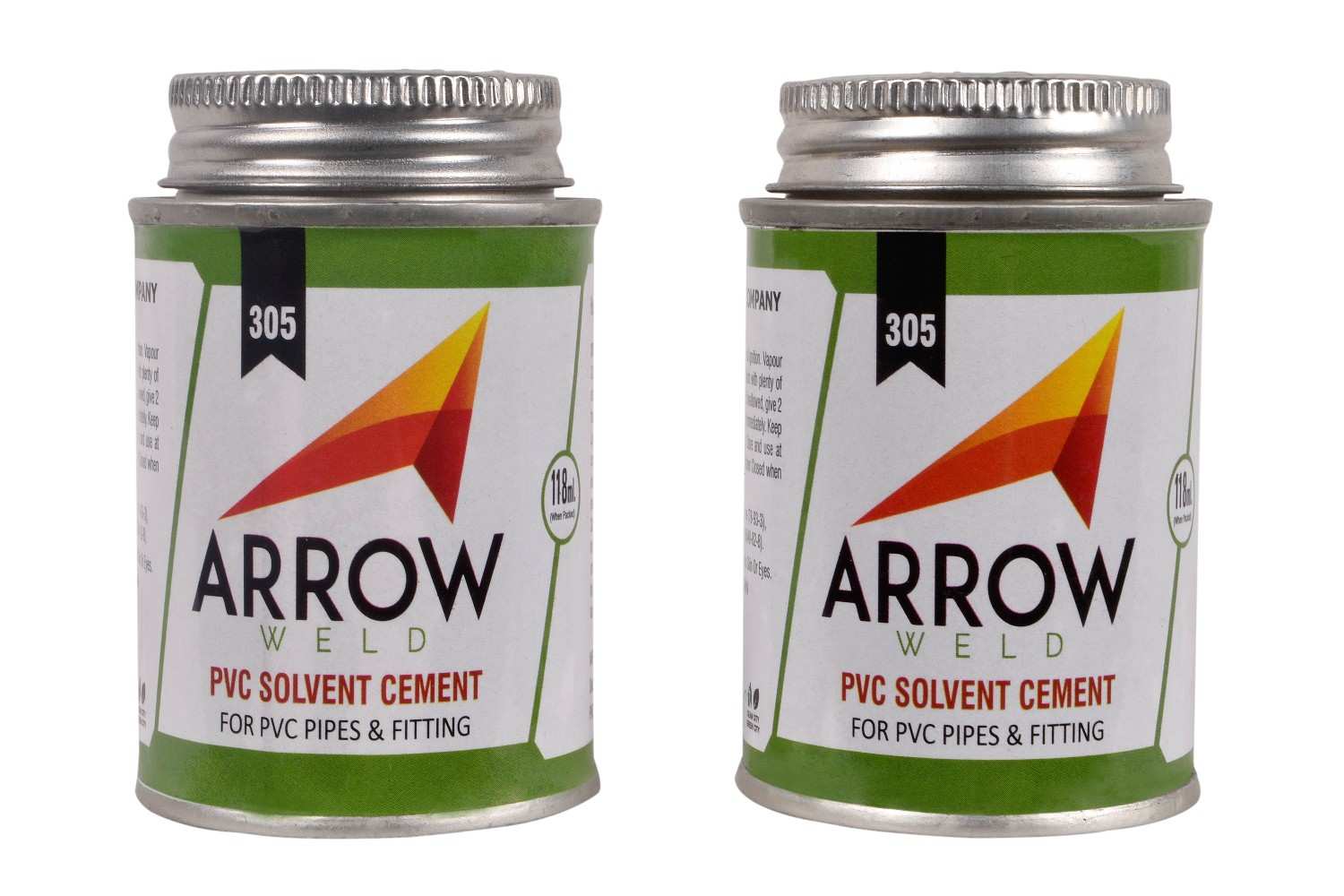
PVC solvent is designed for standard PVC pipes used in irrigation, cold water supply and drainage. It works at ambient temperatures and is the most widely used pipe joining adhesive in India for agricultural and construction applications.
CPVC Solvent Applications
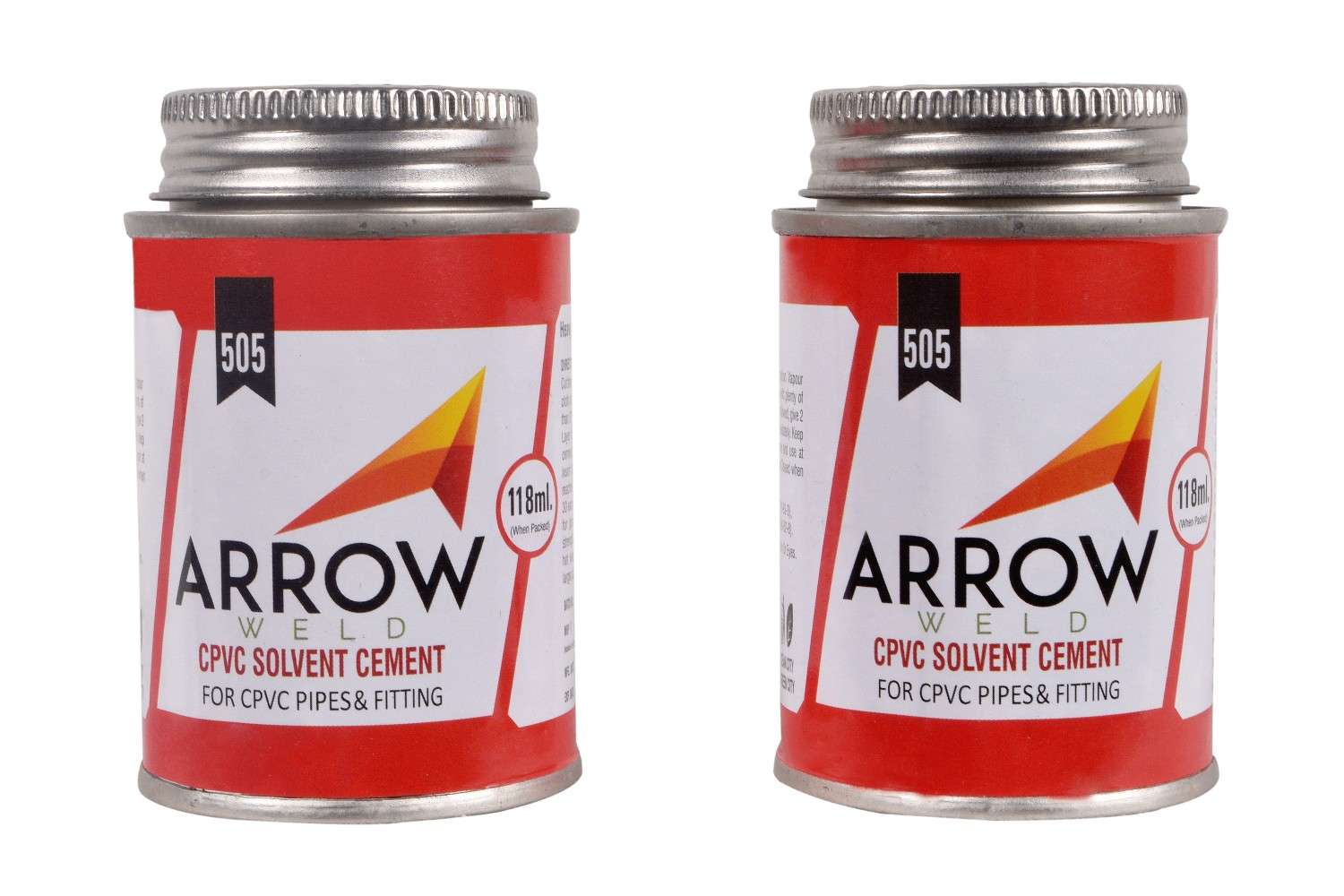
CPVC solvent is formulated for chlorinated PVC pipes that carry hot water. CPVC systems operate at temperatures up to 82 to 95 degrees Celsius, making CPVC solvent essential for hot water plumbing in residential buildings, hotels and commercial projects.
Quick Comparison
- PVC solvent: cold water, irrigation, drainage, up to 60 degrees C
- CPVC solvent: hot and cold potable water, up to 82 to 95 degrees C
- Never interchange PVC and CPVC solvents on the wrong pipe type
- Both require clean, dry surfaces and proper cure time
Arrow Weld Solutions
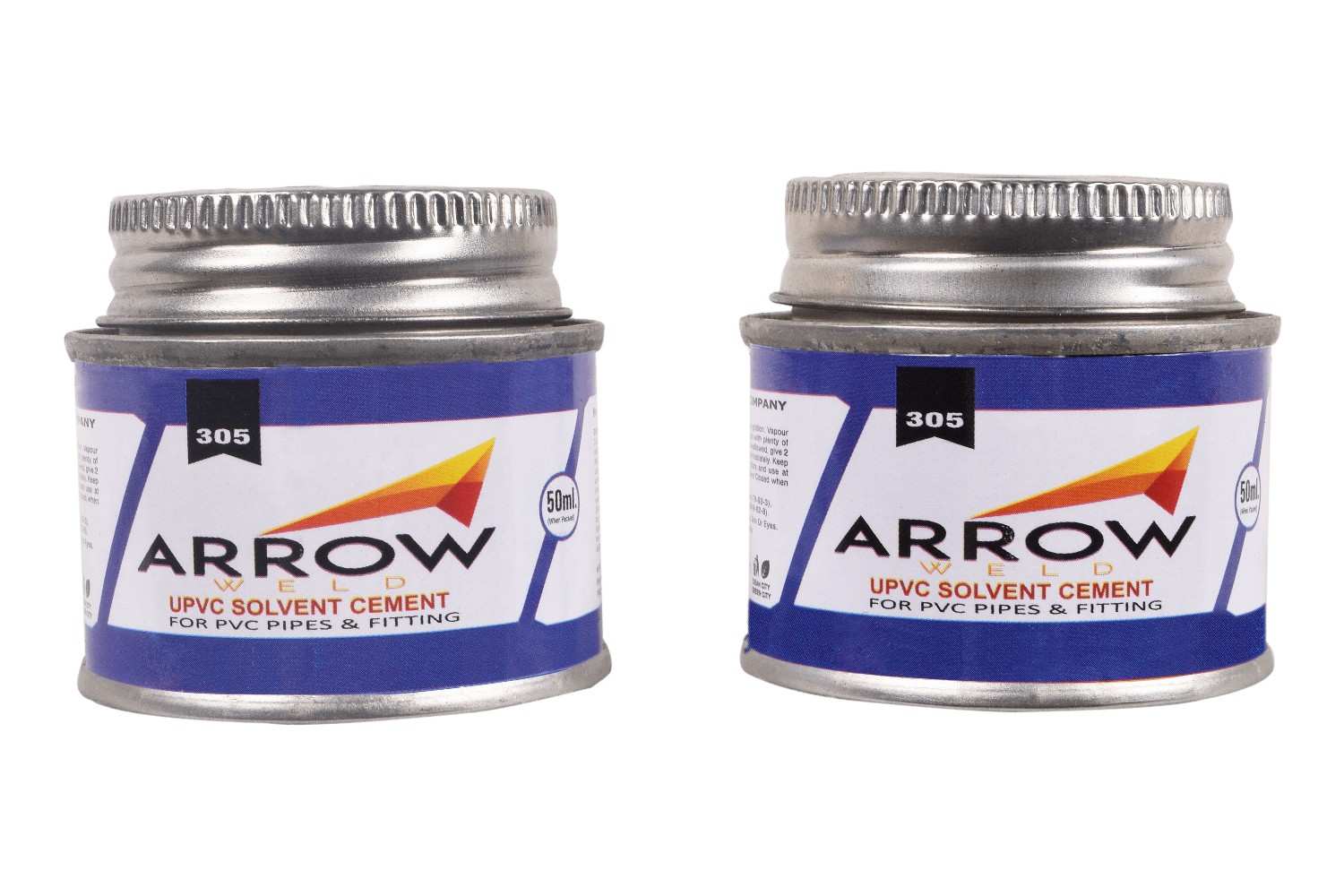
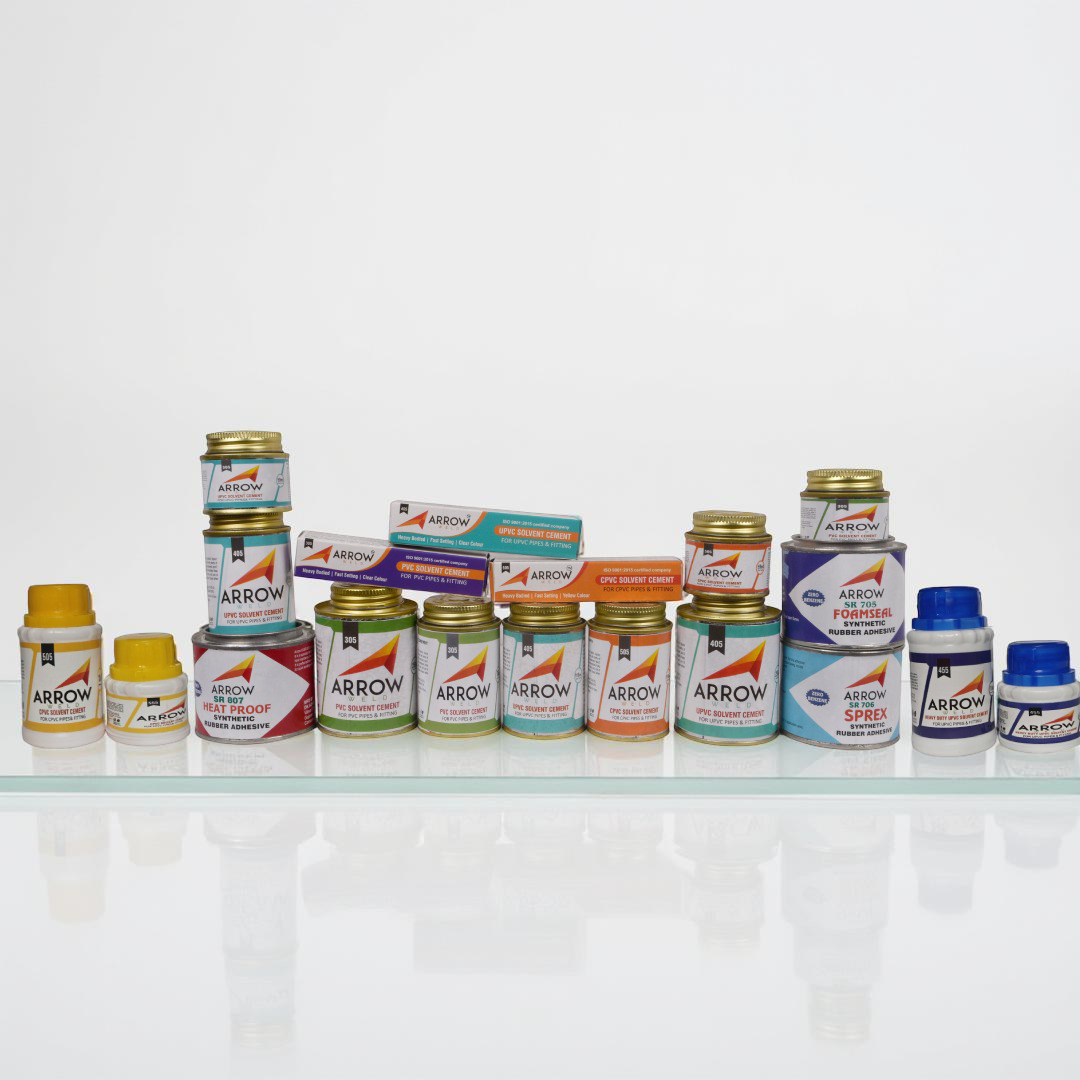
Arrow Weld offers 305 PVC Solvent Cement for irrigation and plumbing, and 505 CPVC Solvent Cement for hot water systems. Both are manufactured in Ahmedabad and supplied to distributors across India.
Related Products
Ready to Order?
Contact Arrow Weld for bulk pricing, distributor inquiries and technical support.
Get a Quote